Septic Tank Replacement in Denver, CO
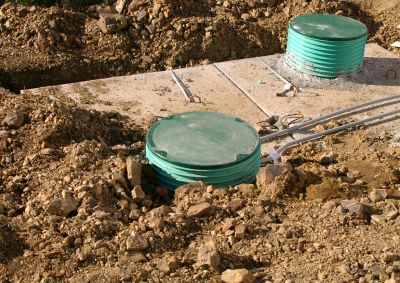
Septic tank replacement services involve removing an existing septic tank and installing a new system to ensure proper wastewater management on residential properties. This service is typically requested when a septic tank has reached the end of its lifespan, experienced significant damage, or is no longer functioning efficiently. Projects may include replacing tanks that are too small to handle current household needs, upgrading to newer models, or addressing issues caused by structural failure or contamination. Homeowners should understand the size requirements for their property, the location of the existing system, and any local regulations or permits that may apply before requesting a replacement.
Property owners often seek septic tank replacement to prevent backups, odors, or environmental concerns related to failing systems. It’s important to consider factors such as the soil type, property layout, and future maintenance needs when planning for a replacement. Understanding the scope of the project, including excavation, removal, and installation processes, can help homeowners make informed decisions. Contacting a professional for guidance ensures the replacement is performed correctly, adhering to local codes and standards for a reliable, long-term wastewater solution.
Many property owners in Denver, CO look into Septic Tank Replacement for repairs, replacements, upgrades, and appearance-related improvements.
Septic Tank Replacement Solutions
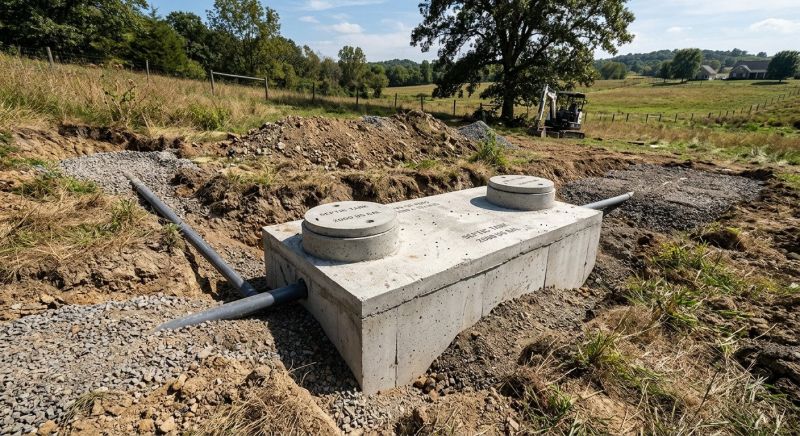
Replacing aging or damaged septic tanks to ensure proper waste management.
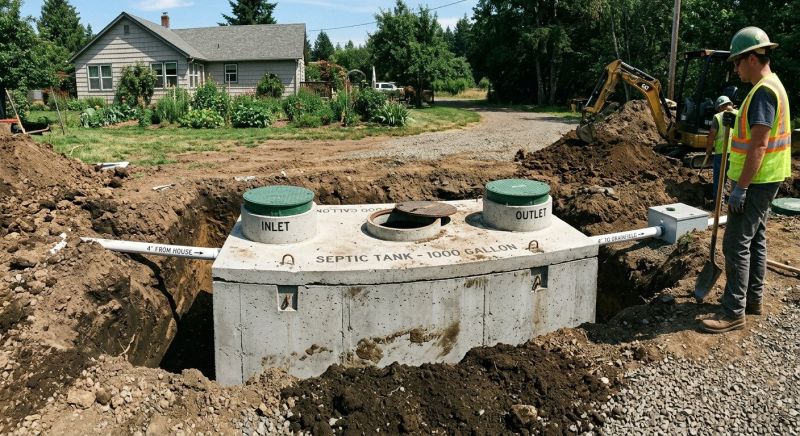
Signs You Need A New Septic System
Detecting issues like backups, odors, or slow drains that indicate a replacement is necessary.
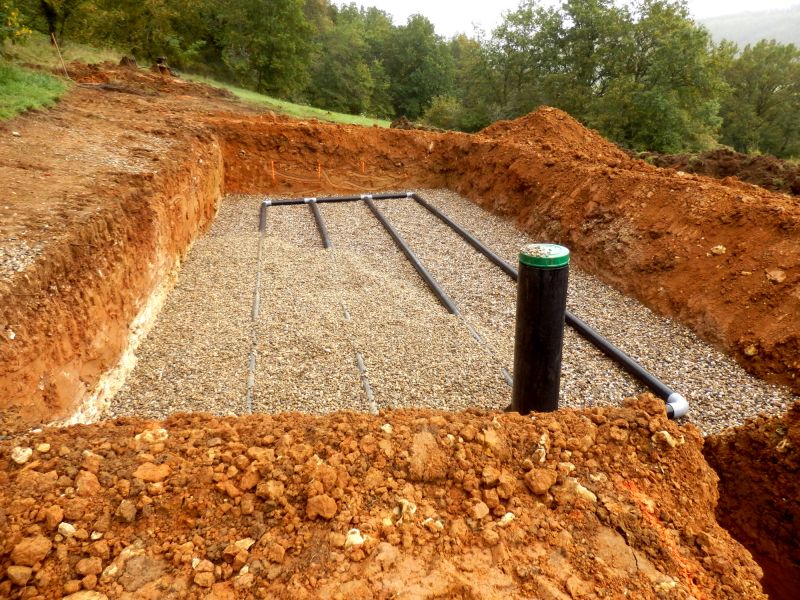
Choosing The Right Septic System
Selecting appropriate tank sizes and types to meet the needs of denver-area homes and properties.
Septic Tank Replacement in Denver, CO
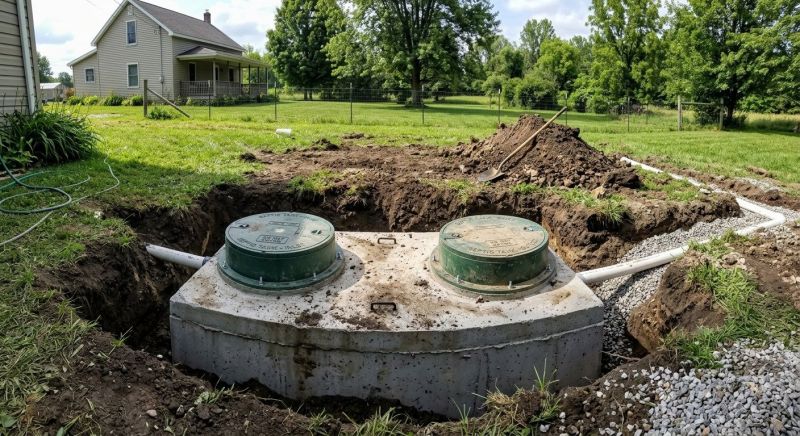
Septic tank replacement services involve removing an existing septic tank and installing a new system to ensure proper wastewater management on residential properties. This service is typically requested when a septic tank has reached the end of its lifespan, experienced significant damage, or is no longer functioning efficiently. Projects may include replacing tanks that are too small to handle current household needs, upgrading to newer models, or addressing issues caused by structural failure or contamination. Homeowners should understand the size requirements for their property, the location of the existing system, and any local regulations or permits that may apply before requesting a replacement.
Property owners often seek septic tank replacement to prevent backups, odors, or environmental concerns related to failing systems. It’s important to consider factors such as the soil type, property layout, and future maintenance needs when planning for a replacement. Understanding the scope of the project, including excavation, removal, and installation processes, can help homeowners make informed decisions. Contacting a professional for guidance ensures the replacement is performed correctly, adhering to local codes and standards for a reliable, long-term wastewater solution.
Many property owners in Denver, CO look into Septic Tank Replacement for repairs, replacements, upgrades, and appearance-related improvements.
Common Septic Tank Replacement Jobs
Septic Tank Replacement - involves removing an old or failing tank and installing a new system.
Septic Tank Upgrade - replaces outdated tanks with modern, more efficient models.
Septic System Conversion - switches from a different wastewater system to a septic tank setup.
Septic Tank Installation - includes preparing the site and properly installing a new septic tank.
Septic Tank Removal - safely removes tanks that are no longer in use or pose a risk.
Septic System Troubleshooting - assesses and replaces tanks that are causing drainage or odor issues.
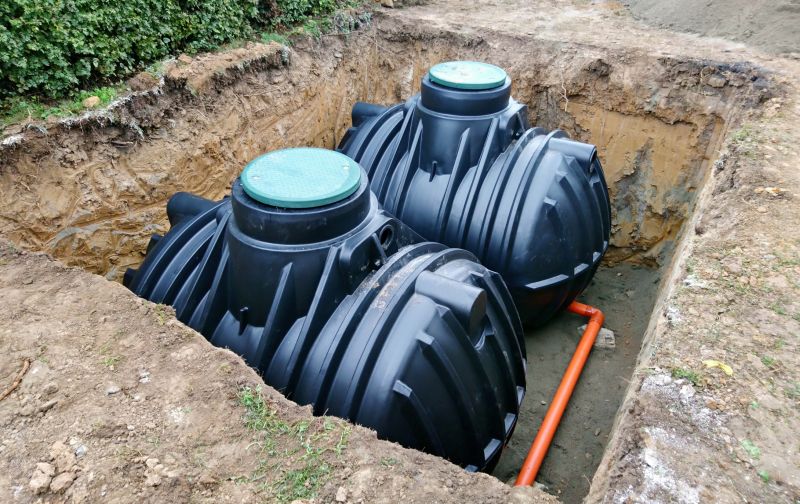
Septic Tank Replacement Questions
When is septic tank replacement needed? Replacement is typically necessary when the tank is damaged, has failed, or cannot be repaired effectively.
How can property owners tell if a septic tank needs replacing? Signs include persistent backups, foul odors, or standing water around the tank area.
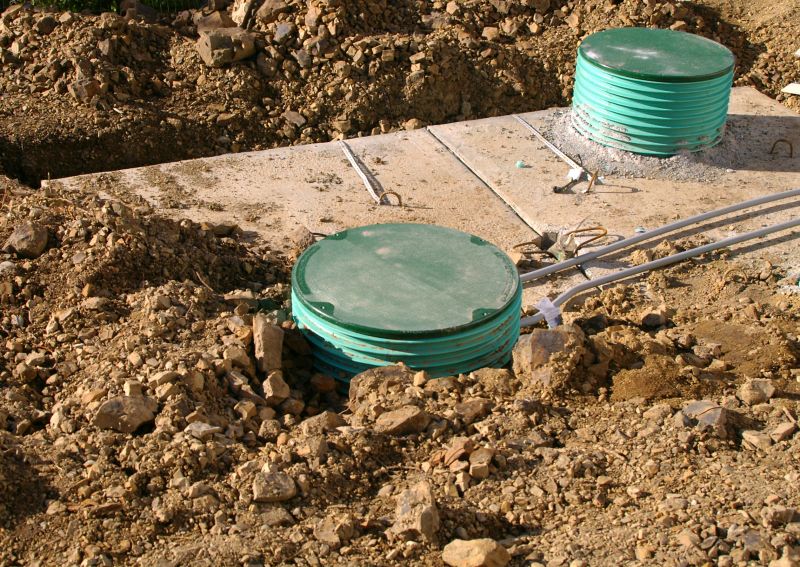
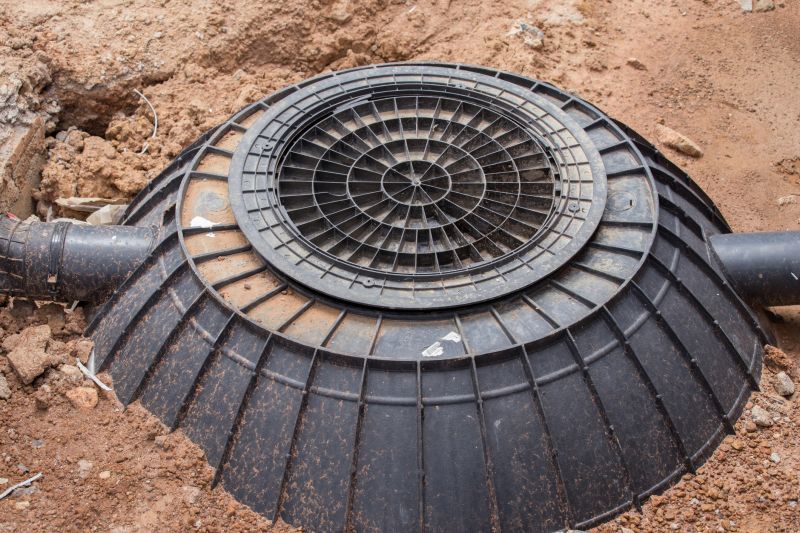
What types of septic tanks are available for replacement? Common options include concrete, plastic, and fiberglass tanks, chosen based on property needs and conditions.
What should be considered before replacing a septic tank? Factors include tank size, local regulations, and the property's drainage system compatibility.
Request Septic Tank Replacement in Denver, CO
Use the quote form on this page to share the basics of your project and request more information for the type of work you need.